The borders, patterns and printed expressions that make the East African kanga a distinctive cultural textile.
A kanga may appear to be a simple rectangular cloth, yet its design reveals an unusually thoughtful relationship between fashion, visual composition and everyday life.
From the arrangement of its patterns to the way it is worn and exchanged, the kanga illustrates how textile design can become an expression of cultural identity.
The Anatomy of a Kanga
A typical kanga is a rectangular piece of printed cotton, often measuring approximately 150 by 110 centimetres, although dimensions vary.
Its familiar design contains three principal elements.
Pindo, The Border: The decorative frame surrounding the cloth. It creates visual definition and may include floral, geometric or repeating patterns.
Mji, The Central Design: The main patterned area, where flowers, birds, abstract forms and other motifs establish the textile’s visual character.
Jina, The Inscription: The printed words, frequently in Kiswahili, that may communicate wisdom, affection, faith, humour or social commentary.
Not every historical kanga included an inscription. This familiar arrangement developed over time as manufacturers and consumers refined the textile’s identity.
Fashion That Communicates
The distinctive feature of the kanga is the way it combines aesthetics with communication. A wearer may select a cloth because its design appeals to them, because its message carries personal meaning or because it is appropriate for a particular social occasion.
Kangas may be presented as gifts, passed between generations or preserved as reminders of important events. A cloth received at a wedding may later become a treasured family possession. Another may recall a friendship, a celebration or an important moment in someone’s life.
The Art of Wearing a Kanga
Kangas are traditionally sold in pairs, commonly referred to as a doti.
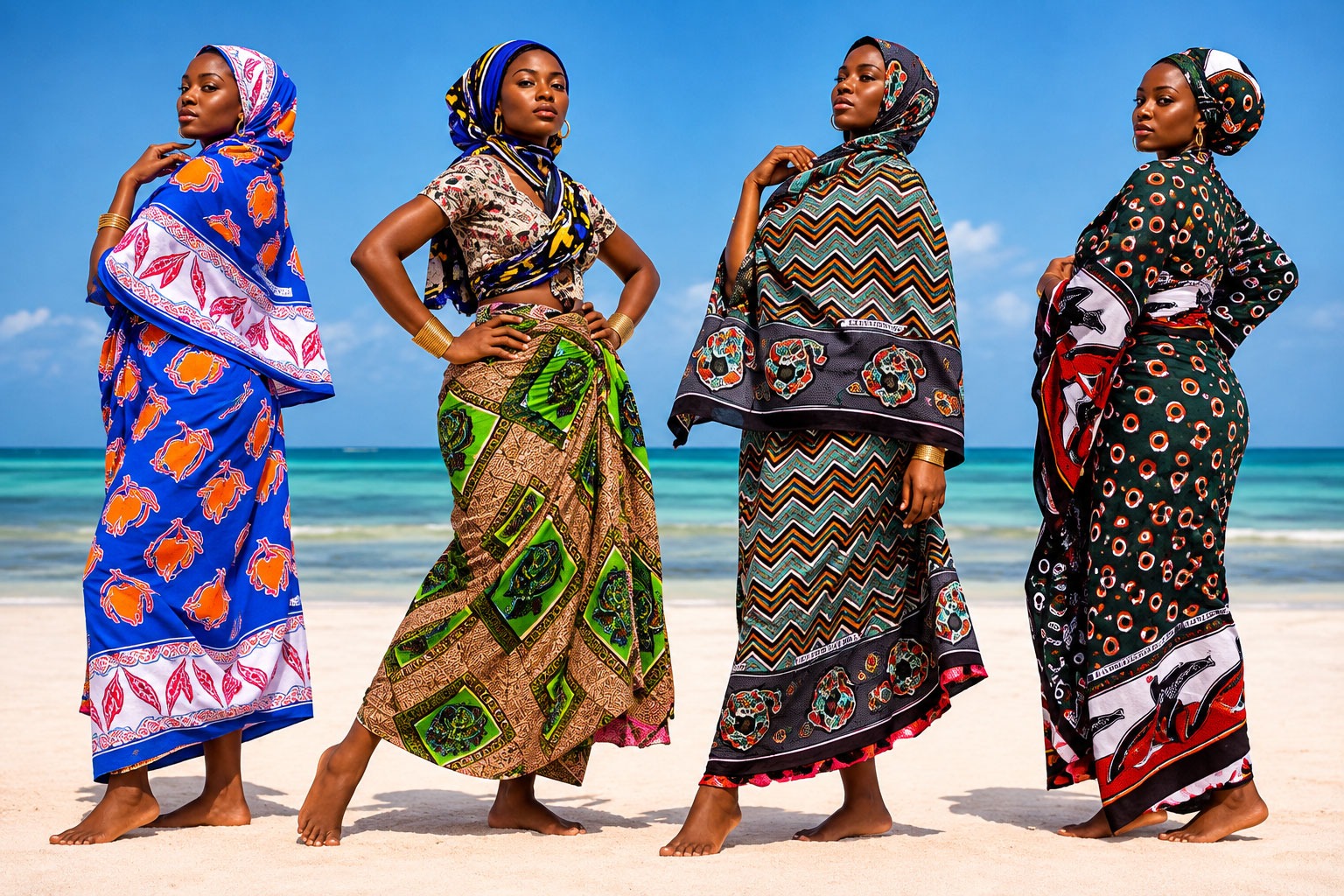
One cloth may be wrapped around the lower body, while the other is worn over the shoulders, around the upper body or as a head covering.
The textile can also be adapted for practical uses, including carrying babies and providing household coverings.
Unlike garments designed for one fixed silhouette, the kanga allows wearers to change its appearance through wrapping, folding and layering.
A Living Cultural Expression
The cultural significance of the kanga lies partly in its adaptability. Patterns change, popular colours evolve and new designs respond to contemporary life. Yet the familiar rectangular form and relationship between design and identity remain recognisable.
For fashion designers, this offers an important lesson: cultural value does not require a garment to remain unchanged. The kanga can develop new visual expressions while remaining connected to the practices and communities that shaped its history.
It is both a textile and a continuing conversation between fashion, people and place.
Continue Exploring
Part Three examines the kanga’s role in family ceremonies, rites of passage and contemporary fashion.


You Might Also Like
Delight School
July 21, 2026Wedding Wonders: African Cultural Attire That Stuns on the Big Day
July 21, 2026Modern Maasai Fashion in the Age of Minimalism
July 21, 2026